

EXECUTION INFRASTRUCTURE
Operationalize the path from product to revenue.
Uplida helps B2B organizations align product, GTM, customer operations, and turn systems into a repeatable execution engine.

Many organizations do not have a product problem, a sales problem, or a customer success problem. They have an operationalization problem.
WHERE GROWTH GETS STUCK
Growth exposes operational friction.
As organizations scale, the work becomes more complex than the systems supporting it. Handoffs drift, visibility weakens, and teams start solving problems through workarounds instead of reliable operating rhythms.
01
Execution drag
Decisions, handoffs, and follow-through slow down as the business scales.
02
Workflow fragmentation
Teams rely on side channels, manual workarounds, and inconsistent operating habits.
03
CRM inconsistency
Customer and revenue data becomes unreliable because process discipline breaks down.
04
Visibility gaps
Leaders cannot clearly see where execution is stuck or where risk is building.
05
AI readiness confusion
Automation efforts stall because workflows, data, and ownership are not mature enough.
The product is defined. The market opportunity exists. The team is working hard. But execution slows because the operating system between product, GTM, customer operations, and finance is not clear enough.
OPERATIONAL LAYER
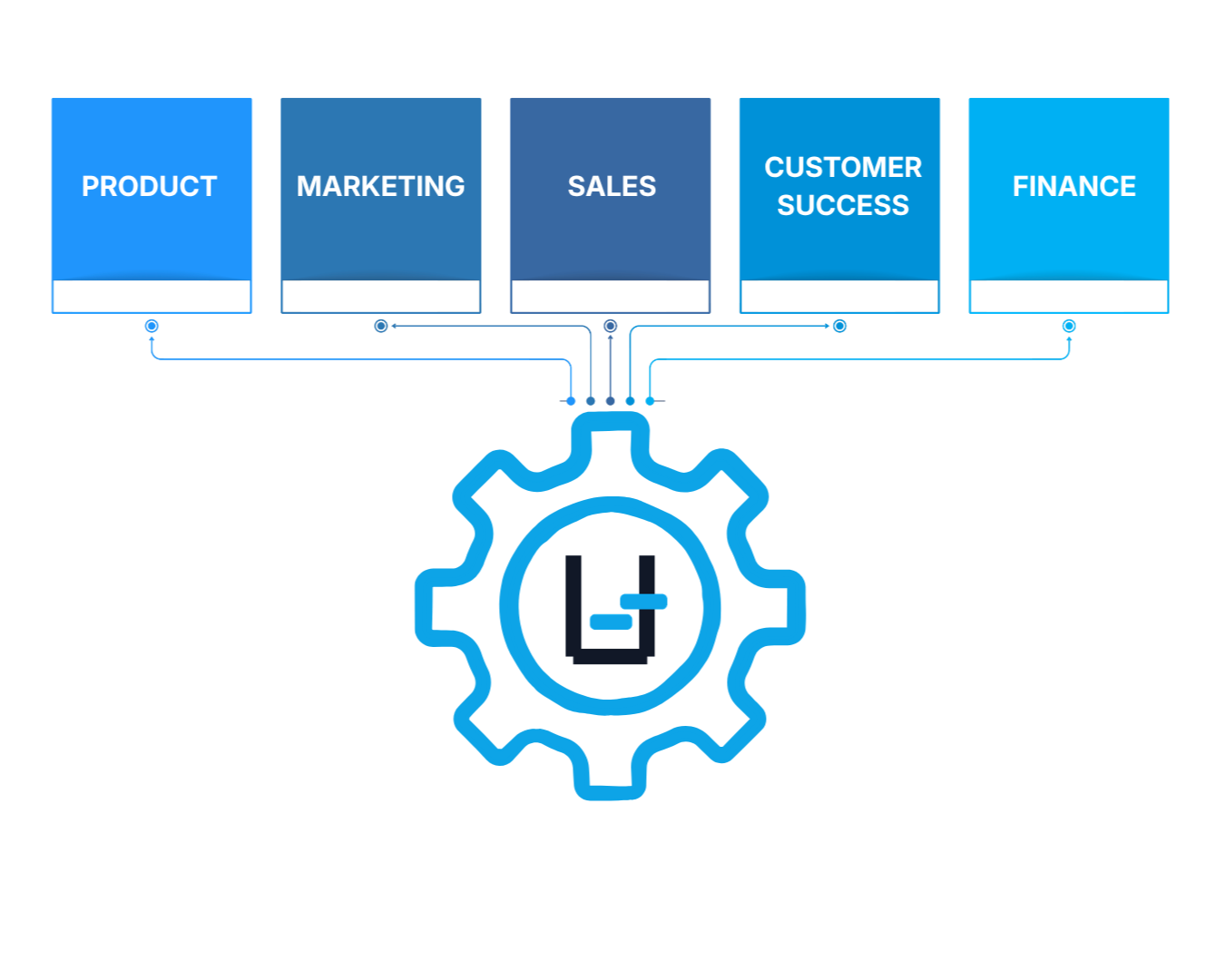
The missing layer is orchestration.
UPLIDA OPERATIONAL LAYER
Shared definitions, workflows, and ownership
Systems that match how the business actually runs
Instrumentation and visibility that stays accurate
Coordination that keeps execution on rails
This is not “more processes.” It’s a modern operational layer that makes strategy executable every day.
CAPABILITY STACK
What we build
Execution infrastructure that connects product, GTM, customer operations, finance, and operational visibility.
Workflow architecture
Define real handoffs and remove ambiguity.
CRM operationalization
Data quality, governance, adoption, and enforcement.
Customer lifecycle systems
Onboarding, service delivery, renewals, expansion.
Operational visibility
Dashboards that are trustworthy and used.
Process governance
Rules, ownership, and change control.
AI workflow readiness
Prepare workflows, data, ownership, and decision logic before automation.
Outcomes that show up in execution.
Outcomes that show up in execution
Faster onboarding
Create repeatable customer and internal workflows that reduce confusion and speed up handoffs.
Stronger CRM adoption
Improve data quality, governance, and process discipline across revenue teams.
Better forecasting confidence
Build visibility into pipeline, delivery, customer risk, and operational performance.
Reduced execution drag
Replace side-channel workarounds with clear ownership and operating routines.
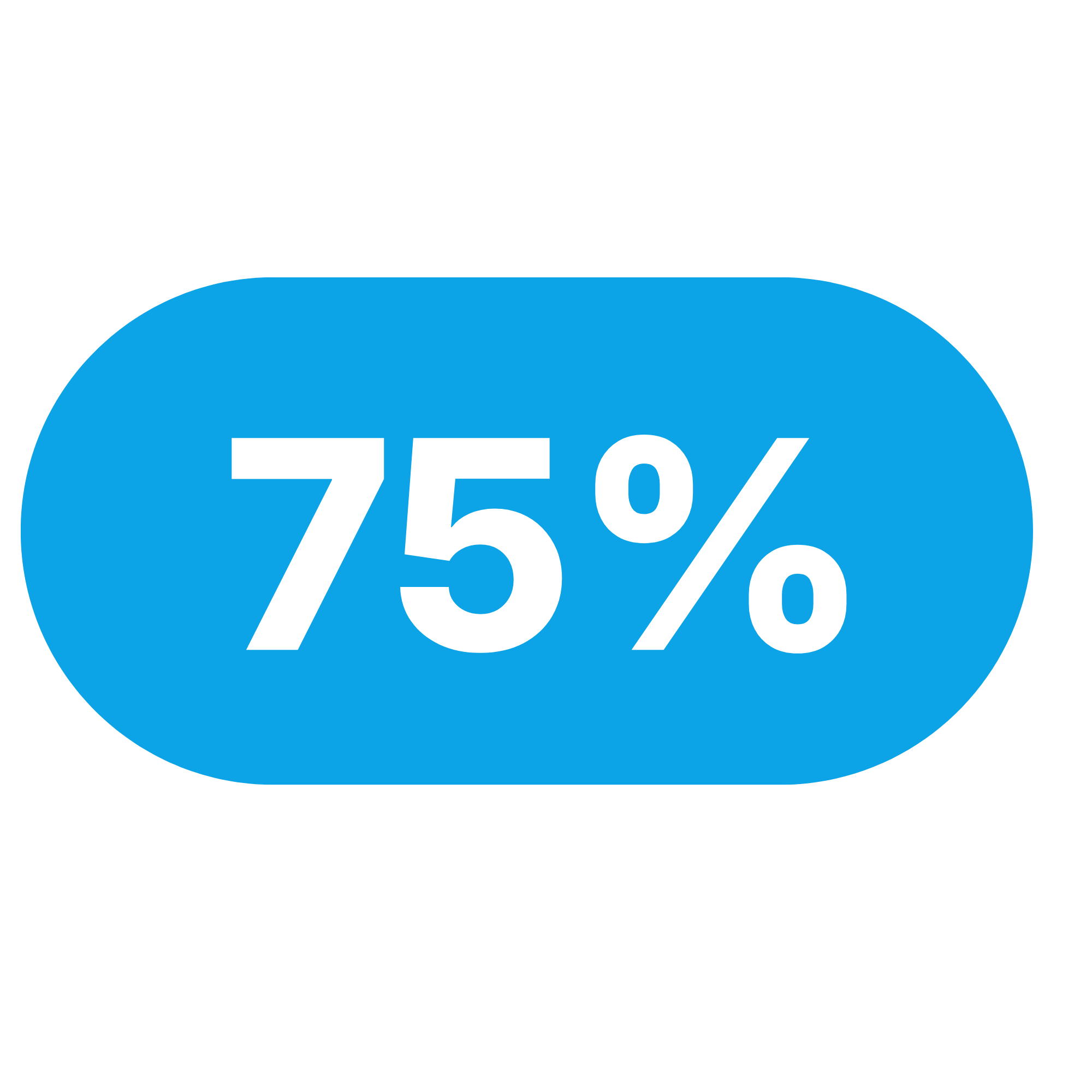
Seventy-five percent of companies struggle with effective orchestration in their daily operations.
Companies optimizing coordination improve results
Forty percent of businesses see better outcomes through streamlined processes.
Efficiency gains through orchestration can triple productivity
Organizations leveraging orchestration report three times higher productivity rates.
Reduced operational costs with orchestration initiatives
Businesses experience a twenty-five percent reduction in operational costs after implementing orchestration strategies.
By focusing on orchestration, teams can align their efforts, resulting in a more efficient and agile organization.
“Orchestration is the glue that binds disparate strategies into cohesive action, driving success.”
HOW WE WORK
Product-to-revenue roadmap
We work inside the operating rhythm to help teams move from defined product or service strategy to repeatable revenue execution across GTM, customer operations, finance, and leadership.
Diagnose
Assess launch readiness, GTM workflows, customer handoffs, CRM usage, operational visibility, and execution gaps between product and revenue.
Align
Clarify shared definitions, ownership, handoff points, customer lifecycle expectations, and the operating rhythm needed to support growth.
Operationalize
Build the workflows, CRM structures, enablement paths, lifecycle systems, and governance routines that make execution repeatable.
Instrument
Create visibility through dashboards, pipeline signals, onboarding metrics, customer risk indicators, and operational performance reporting.
Scale
Reinforce adoption, refine the operating cadence, and expand the product-to-revenue system across teams, offerings, or business units.
Where this work shows up.
New offering launch
A company has a defined product or service, but the GTM, enablement, onboarding, and customer delivery workflows are not ready.
CRM/process reset
Revenue teams are using the system inconsistently, making pipeline, forecasting, and customer visibility unreliable.
Customer lifecycle redesign
Onboarding, support, renewals, and expansion depend on individual heroics instead of repeatable systems.
AI readiness preparation
The company wants automation, but first needs workflow maturity, clean ownership, and practical process structure.
Build the systems between product and revenue.
If the strategy is clear but execution is fragmented, the operational layer is where the work starts.